A Pivotal Year for Direct Selling Advocacy
2025 was a pivotal year for DSA advocacy, defined by the growing impact of policy decisions on the millions of people who choose direct selling for its independence, supplemental income, and sense of community.
As federal and state policymakers weighed proposals that could limit or redefine independent contractor status, DSA focused on helping lawmakers understand what direct sellers, who are among the most independent of independent contractors, risk losing: flexibility, autonomy, and the ability to build their business on their own terms.
That work was grounded in long-standing relationships and a forward-looking advocacy approach built on real stories and consistent engagement.
Federal Advocacy
FTC Activity and Proposed Rules
The FTC continued evaluating potential rulemaking affecting earnings claims, business opportunities, and the broader independent contractor landscape.
During the Senate confirmation of Mark Meador as an FTC commissioner, Senator John Curtis (R-UT) stood up for the direct selling channel when he raised identical concerns to DSA’s: the FTC has unfairly targeted direct selling, an industry that diligently adheres to laws and represents 38K jobs and $2.7B revenue in Utah alone.
DSA worked throughout the year to ensure the channel’s perspective was heard:
- Met with FTC Commissioner Ferguson and senior FTC staff to discuss potential rulemaking and its impact on legitimate direct selling activity.
- Held multiple meetings with Lois Greisman and the Bureau of Consumer Protection to explain the channel’s self-regulatory framework and the distinctions between compliant companies and bad actors.
- Provided guidance to members on compliance expectations and on what to anticipate as the FTC considers next steps.
These conversations reinforced DSA’s role as a constructive partner committed to strong consumer protections anchored in real-world data.
Engagement with the FTC: Data, Evidence, and the Proposed Earnings Claims Rule
A key federal moment came during a panel hosted by the American Enterprise Institute (AEI), The FTC at the Crossroads: The Path Forward for Competition and Consumer Protection. DSA addressed the proposed earnings claims rule directly before an audience that included senior FTC leadership.
DSA emphasized three core principles:
- Misrepresentation and consumer deception are unacceptable, and DSA strongly condemns bad actors.
- Direct selling already operates with robust self-regulation, including DSSRC oversight.
- Any new rule must be guided by data, not assumptions that misrepresent how legitimate direct selling works.
DSA also pointed to the experience in Delaware with H.B. 162, where legislation built on similar assumptions nearly created broad disruption for the channel.
Responding during the session, the FTC’s Director of the Bureau of Consumer Protection underscored that the agency’s decisions must be guided by facts and evidence and noted that legitimate businesses should not fear efforts to address misleading practices, all of which aligns with the direct selling channel’s self-regulatory program, the DSSRC.
This interaction affirmed DSA’s role:
- We are in the room, ensuring that the voice of ethical direct selling companies and sellers is heard at the highest levels of federal policymaking.
H.R. 3495 — Direct Seller and Real Estate Agent Harmonization Act
H.R. 3495, introduced by Rep. Kevin Kiley (CA-03), continued gaining momentum in 2025 with 31 bipartisan cosponsors. The bill advanced out of the House Education & Workforce Committee on the same day as DSA’s Direct Selling Day on Capitol Hill, giving it additional visibility with congressional offices and staff.
Their concerns fell into two areas:
- Process: the bill had not received a stand-alone hearing.
- Worker protections: some members argued the bill could reduce access to employee benefits for workers.
These concerns reflect broader national debates about worker classification. They do not apply to direct sellers, who are explicitly recognized under federal law as independent contractors, not employees. H.R. 3495 modernizes statutory language to reflect that long-established reality.
The bill remains a top DSA priority heading into 2026.
Direct Selling Caucus
DSA continued strengthening the Direct Selling Caucus, engaging both returning members and new offices. The Caucus plays a key role in educating colleagues about how direct sellers work, the consumer protections already in place, and how policy changes can affect millions of Americans who rely on flexible, independent work.
Elevated Policymaker Engagement in 2025
One of the most meaningful developments this year was the level of engagement from elected officials at the DSA Legal + Regulatory Conference. Their participation signaled growing interest in direct selling within the broader independent work conversation.
Officials included:
Ryan Chamberlin
(FL-24)
Florida House of Representatives; Florida Direct Selling Coalition
Rep. Jim Clyburn
(SC-06)
Assistant Democratic Leader
Rep. Richard Hudson
(NC-09)
Co-Chair, Direct Selling Caucus
Rep. Kevin Kiley
(CA-03)
Lead Sponsor, H.R. 3495
Rep. Burgess Owens
(UT-04)
Direct Selling Caucus; House Education & Workforce; Co-Sponsor, H.R. 3495
Rep. Darren Soto
(FL-09)
Co-Chair, Direct Selling Caucus
Rep. Tim Walberg
(MI-05)
Chairman, House Education & Workforce; Co-Sponsor, H.R. 3495
Their participation reflects the cumulative impact of long-term engagement and a more modern narrative that highlights the lived realities of direct sellers.
State Advocacy
Across the 2024–2025 session, DSA tracked 191 bills, ranging from independent contractor classifications to earnings claims, telemarketing compliance, and consumer disclosure requirements. Below are the highlights.

Engaging on State Legislative Proposals
Connecticut
H.B. 6052 (Home Solicitation Sales Act)
The bill included extensive requirements for in-person solicitation, including opt-out databases, mandatory notifications, and posted conduct rules.
After DSA engaged with sponsors, the bill saw no meaningful movement before adjournment on June 4.

Delaware
- Three-month right of rescission
- 90% buyback with no time limit
- Extensive disclosure obligations
- A 48-hour waiting period
DSA secured key improvements, including elimination of the waiting period, and opposed the bill through two hearings. After appearing before The Delaware Senate Banking, Business, Insurance & Technology Committee hearing regarding the bill, DSA succeeded in deferring the bill’s consideration until 2026; DSA is pursuing further discussions.
Independent Contractor Protection
New Jersey
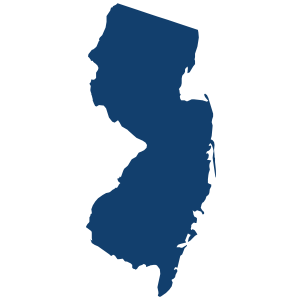
NJ DOL initiated an audit of a direct selling company. Proposed regulations would restrict IC classification; DSA filed comments in opposition.
DSA is now working proactively with lawmakers on statutory language to protect direct sellers’ IC status.
California
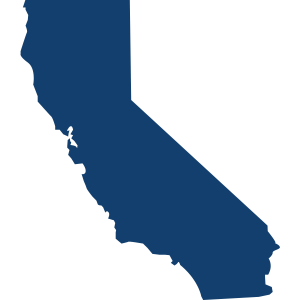
Multiple lawsuits asserted that direct sellers should be treated as employees.
PAGA remained a focus due to shifting enforcement trends. DSA drafted modernized language updating Unemployment Insurance Code § 650 to better reflect today’s direct selling practices and submitted the language to the Assembly Labor Committee.
DSA continues to work with the Assembly Insurance Committee on broader modernization.
Proactive Model Legislation
Missouri
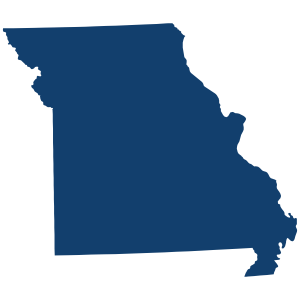
Two bills (H.B. 1138 and H.B. 1120) based on DSA’s model pyramid-scheme language were introduced but did not advance. Work is underway to support reintroduction in 2026.
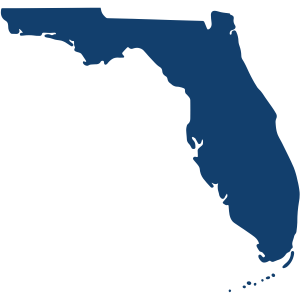
Florida
Legislation introduced in early 2025 as H.B. 249 and S.B. 660 stalled in committee; both proposals were reintroduced later in 2025 as H.B. 265 and S.B. 712.
Both bills have moved to their respective House and Senate Criminal Justice Committees, and DSA is actively engaging with the sponsors.

Emerging Compliance Requirements
Texas
New Texting Law (Business & Commerce Code § 302)
Covered businesses must:
- Register with the Secretary of State
- Pay a $200 fee
- File quarterly reports
- Post a $10,000 bond
- Provide required disclosures
Penalties include $500–$5,000 per violation, private actions, and enforcement by the Attorney General. DSA issued guidance to member companies and continues monitoring implementation.